

Mon-Thurs: 8am - 4:30pm | Fri: 8am - 2:30pm


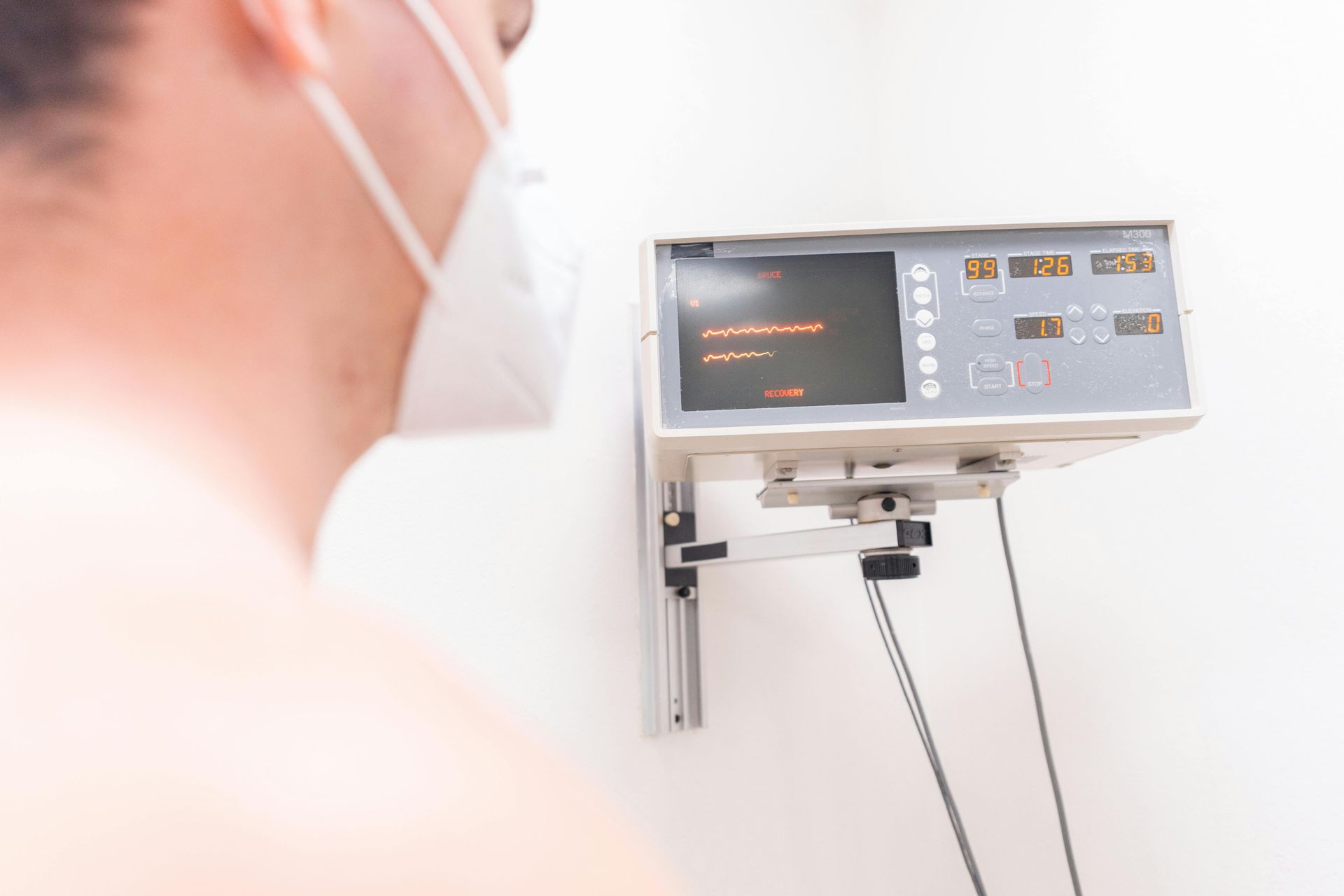
Echocardiogram
An echocardiogram uses ultrasound technology to create detailed images of your heart’s structure and function. It helps assess valves, chambers, and blood flow, allowing cardiologists to diagnose concerns early and guide appropriate treatment plans for long-term cardiovascular health.
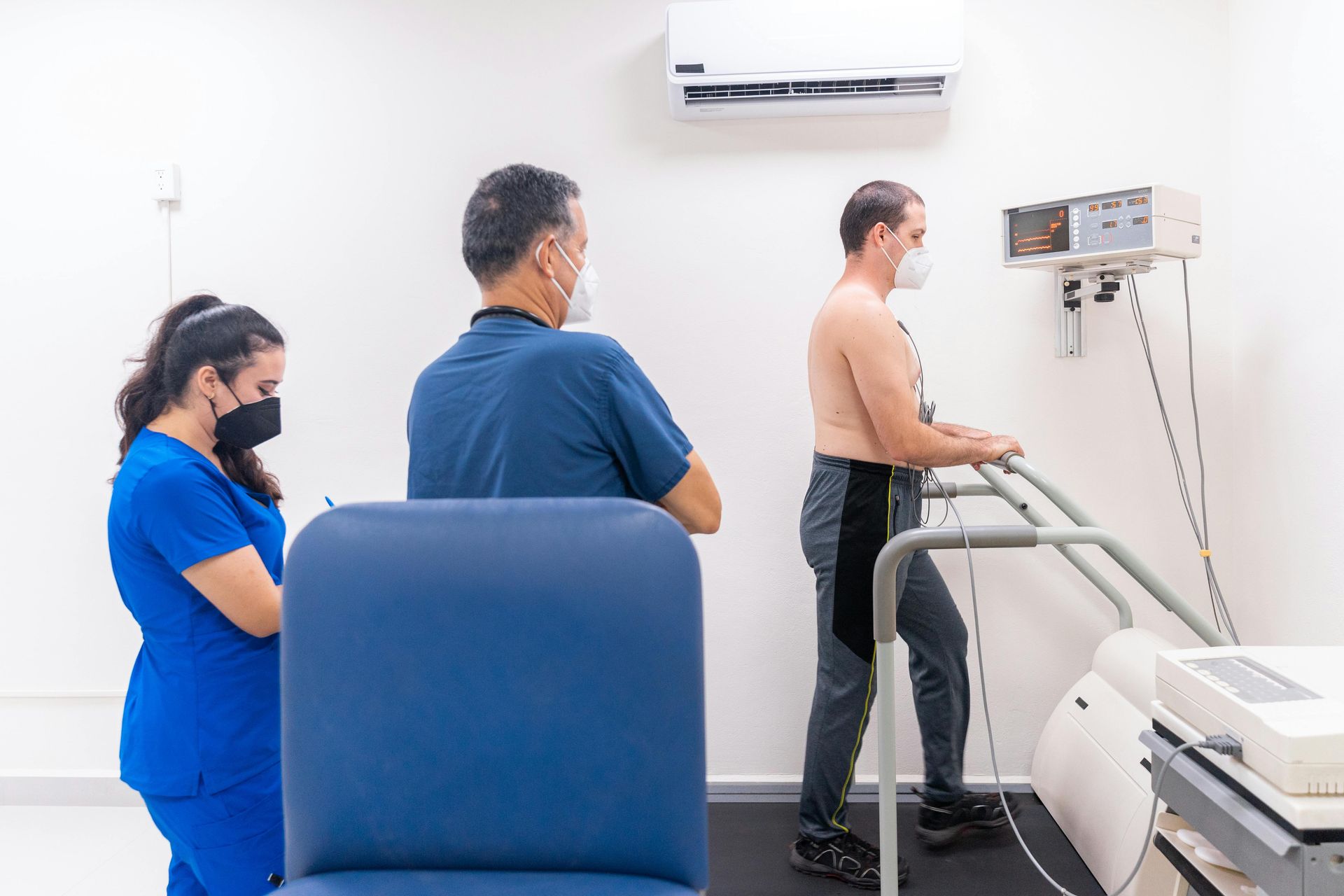
Nuclear Stress
A nuclear stress test evaluates blood flow to your heart during rest and exercise using a safe radioactive tracer. This test identifies reduced circulation, detects coronary artery disease, and helps determine the most effective cardiac treatment or prevention strategy.
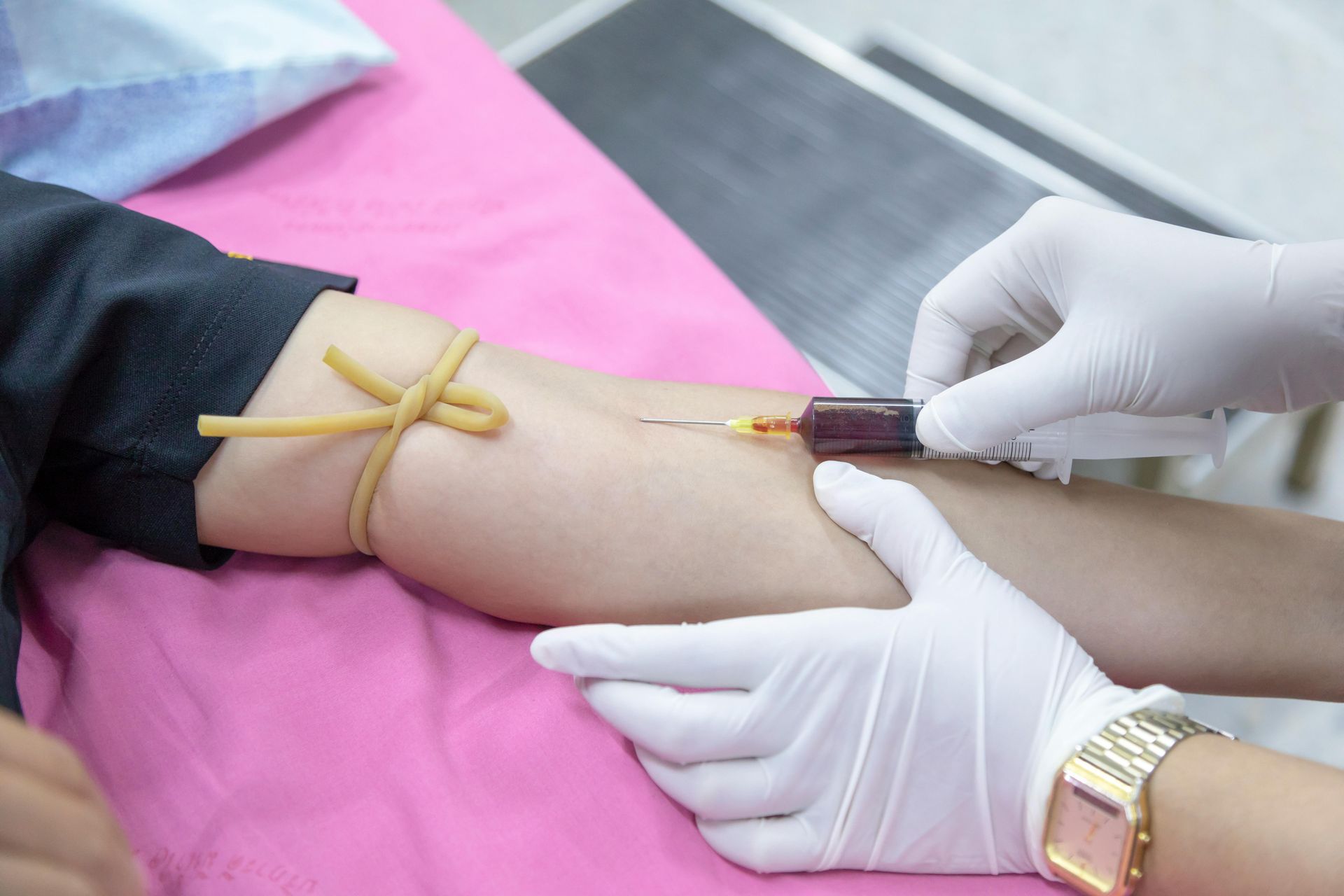
Regular Test
A regular stress test monitors your heart’s performance while you walk on a treadmill. It measures electrical activity, heart rate, and blood pressure, helping identify symptoms, evaluate exercise tolerance, and detect possible underlying cardiovascular issues needing further assessment.
Vascular Ultrasound:
Carotid
A carotid ultrasound uses sound waves to examine the carotid arteries in your neck. It identifies plaque buildup, narrowing, or blockages that may increase stroke risk, enabling early intervention and personalized cardiovascular prevention strategies based on your results.

Venous
A venous ultrasound assesses blood flow in the veins, checking for clots, valve dysfunction, or circulation issues. This non-invasive test is essential for diagnosing deep vein thrombosis, varicose veins, and other venous conditions, supporting effective and timely treatment planning.
ABI
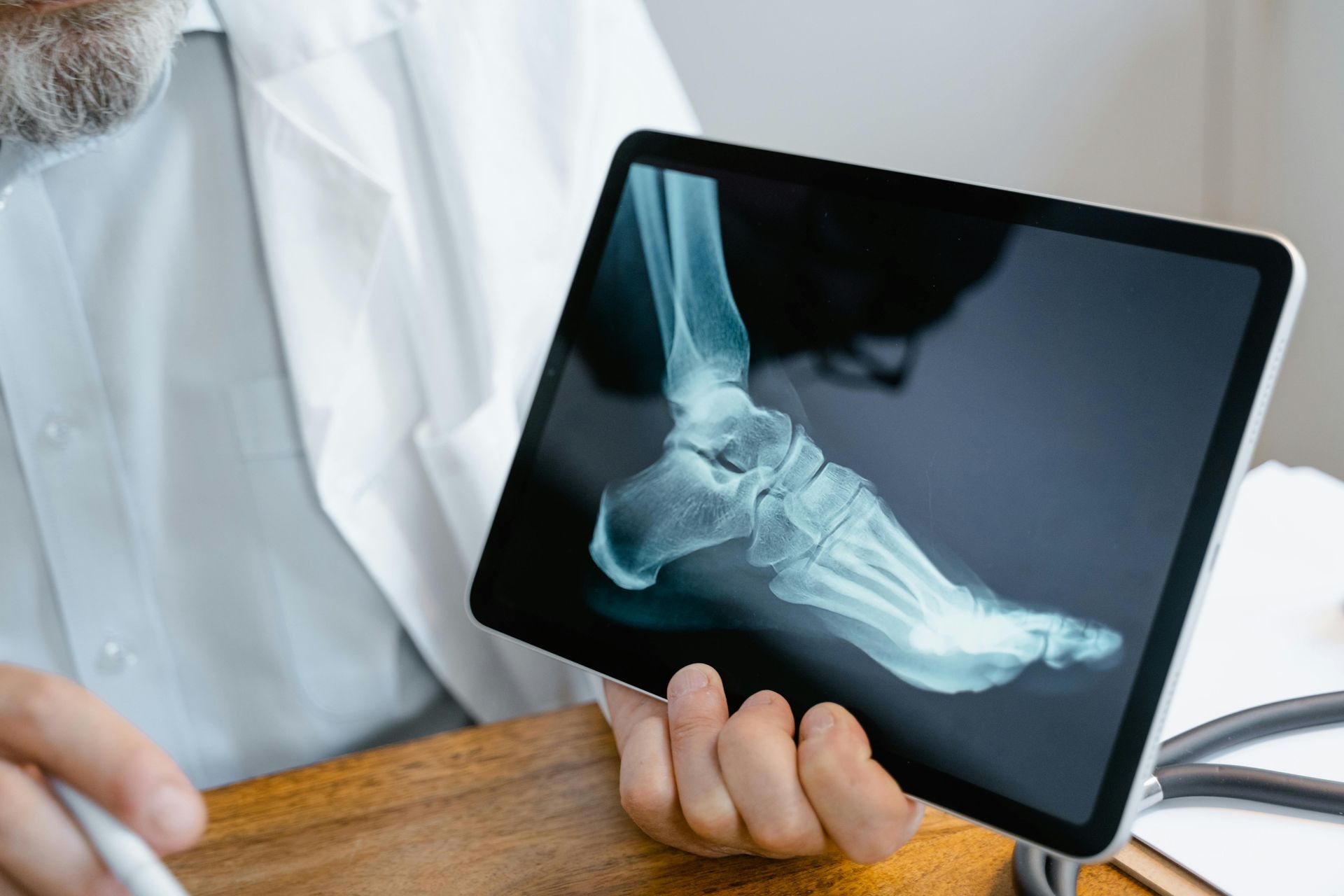
The ankle-brachial index compares blood pressure in your ankle and arm to evaluate circulation. It helps diagnose peripheral artery disease, determine severity, and guide appropriate lifestyle, medical, or procedural interventions to improve vascular health and mobility.

Renal
A renal ultrasound examines the kidneys and surrounding blood vessels using safe sound-wave imaging. It helps detect blockages, narrowing, abnormalities, or impaired blood flow, assisting in diagnosing hypertension-related kidney issues and supporting tailored cardiovascular treatment and renal care.

Abdominal
An abdominal ultrasound provides detailed images of abdominal organs and blood vessels. It helps detect aneurysms, blockages, or structural abnormalities affecting the cardiovascular and digestive systems, enabling early diagnosis and guiding appropriate medical or surgical treatment recommendations.

Arterial
An arterial ultrasound evaluates blood flow in your arteries and identifies narrowing, plaque buildup, or blockages. This test helps diagnose peripheral artery disease and helps cardiologists develop effective, personalized cardiovascular treatment plans to improve circulation and overall vascular health.
NEXMED
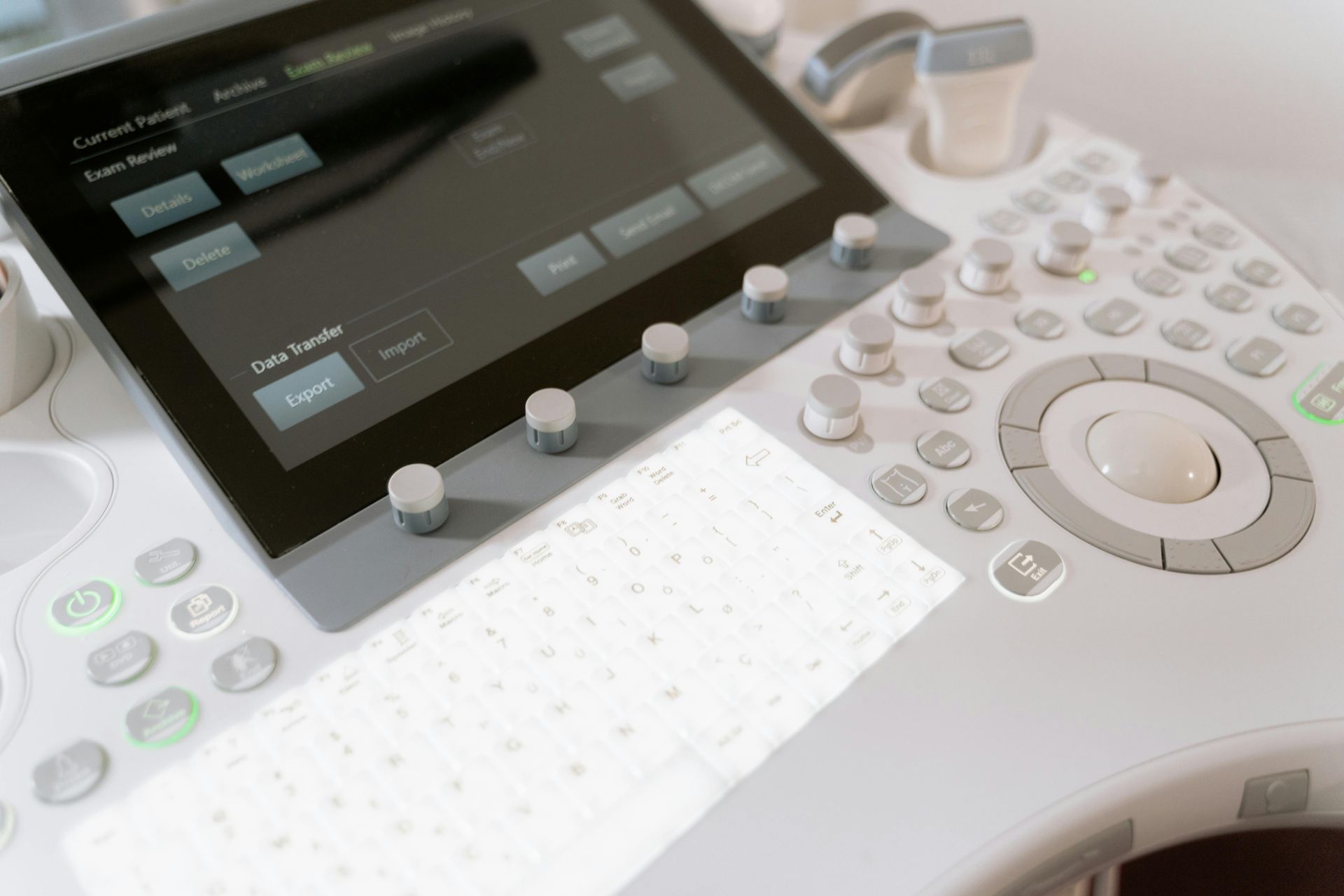
NEXMED therapy uses advanced electrical stimulation to improve circulation, reduce pain, and promote healing in patients with poor blood flow. It is a non-invasive option supporting vascular health, mobility, and symptom relief for a variety of circulatory conditions.
Procedures:
Loops
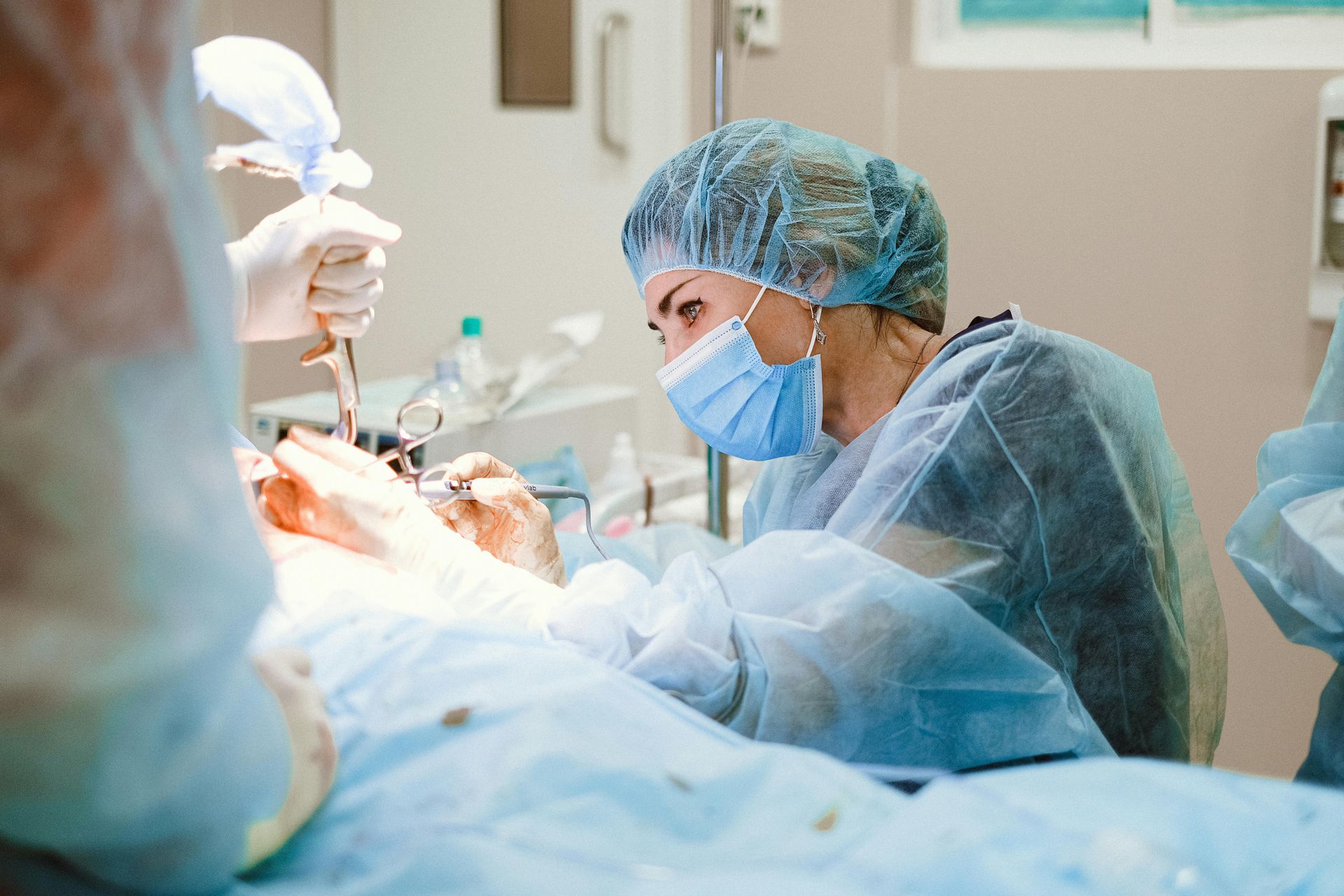
A loop monitor is a small, wearable device that records your heart’s rhythm over an extended period. It helps detect intermittent arrhythmias, palpitations, or unexplained symptoms, providing cardiologists with detailed information to guide accurate diagnosis and cardiovascular treatment.
Leg Ablations
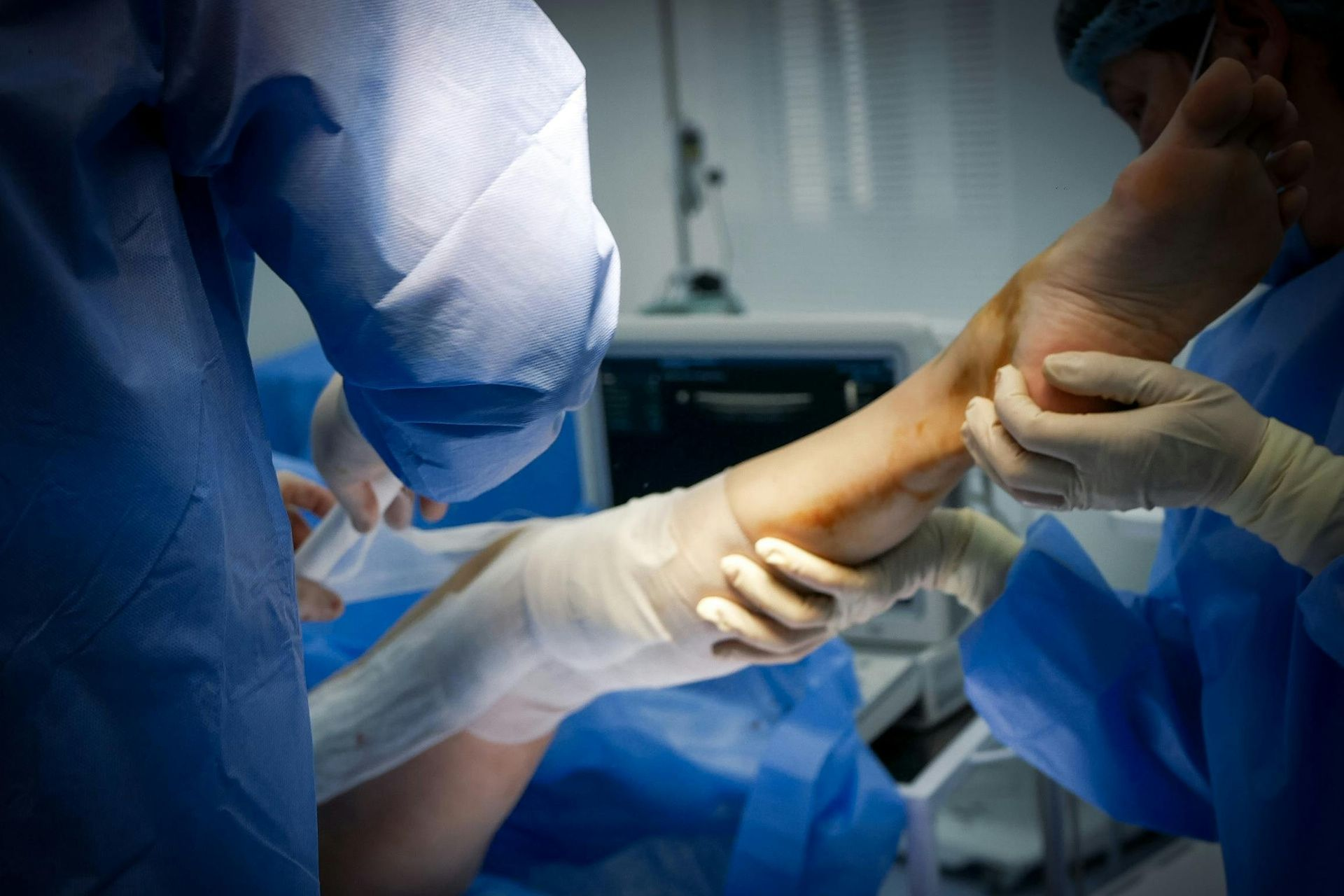
Leg ablation procedures treat damaged or malfunctioning veins using minimally invasive techniques. By closing affected veins and redirecting blood flow, ablations help reduce pain, swelling, and varicose veins, improving circulation, comfort, and overall vascular health.
Peripheral
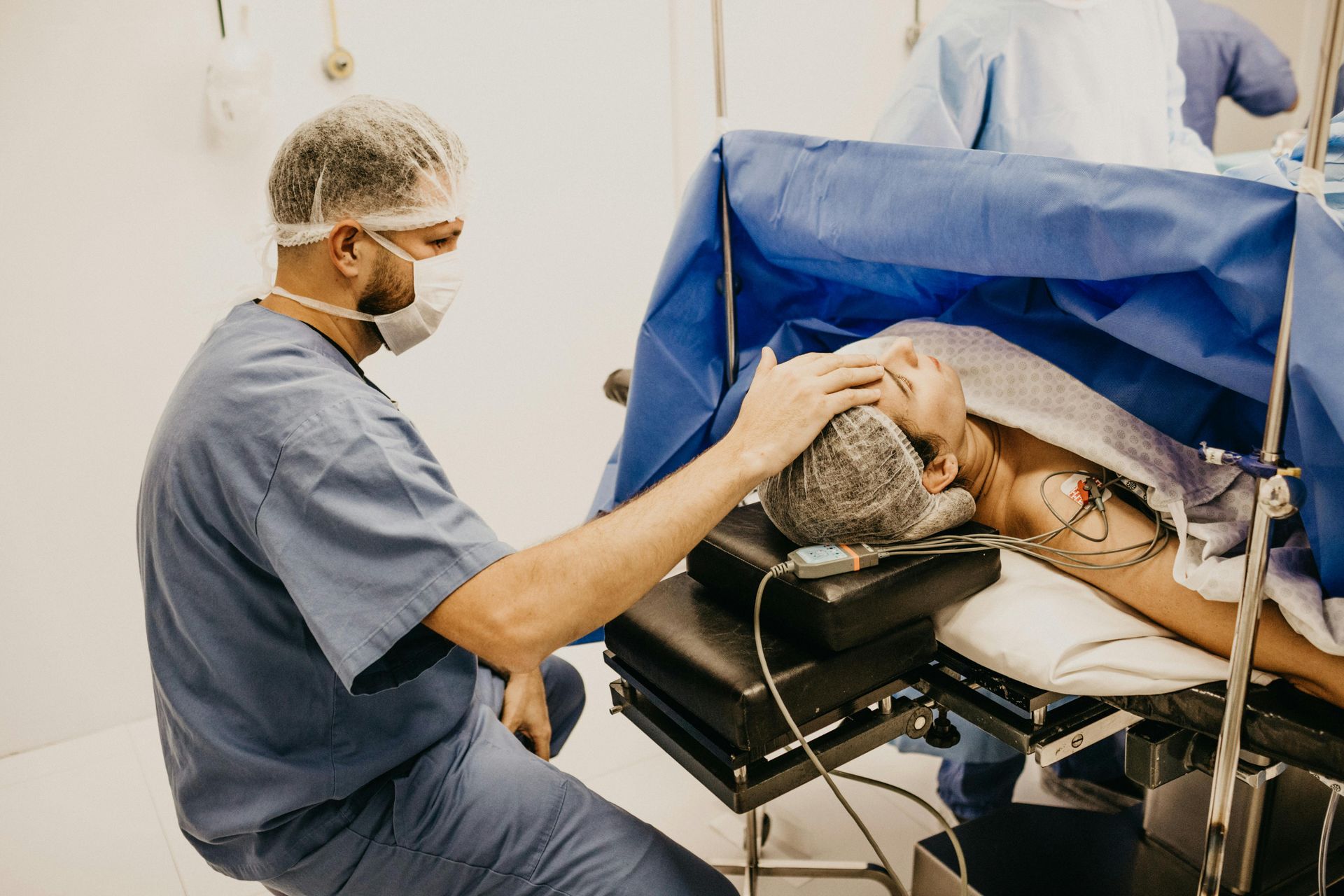
Peripheral ultrasound evaluates blood flow in the limbs and identifies narrowed or blocked vessels. It helps diagnose peripheral artery disease and other vascular conditions, allowing cardiologists to develop targeted cardiology care plans that improve circulation and reduce symptoms.
May Thurner
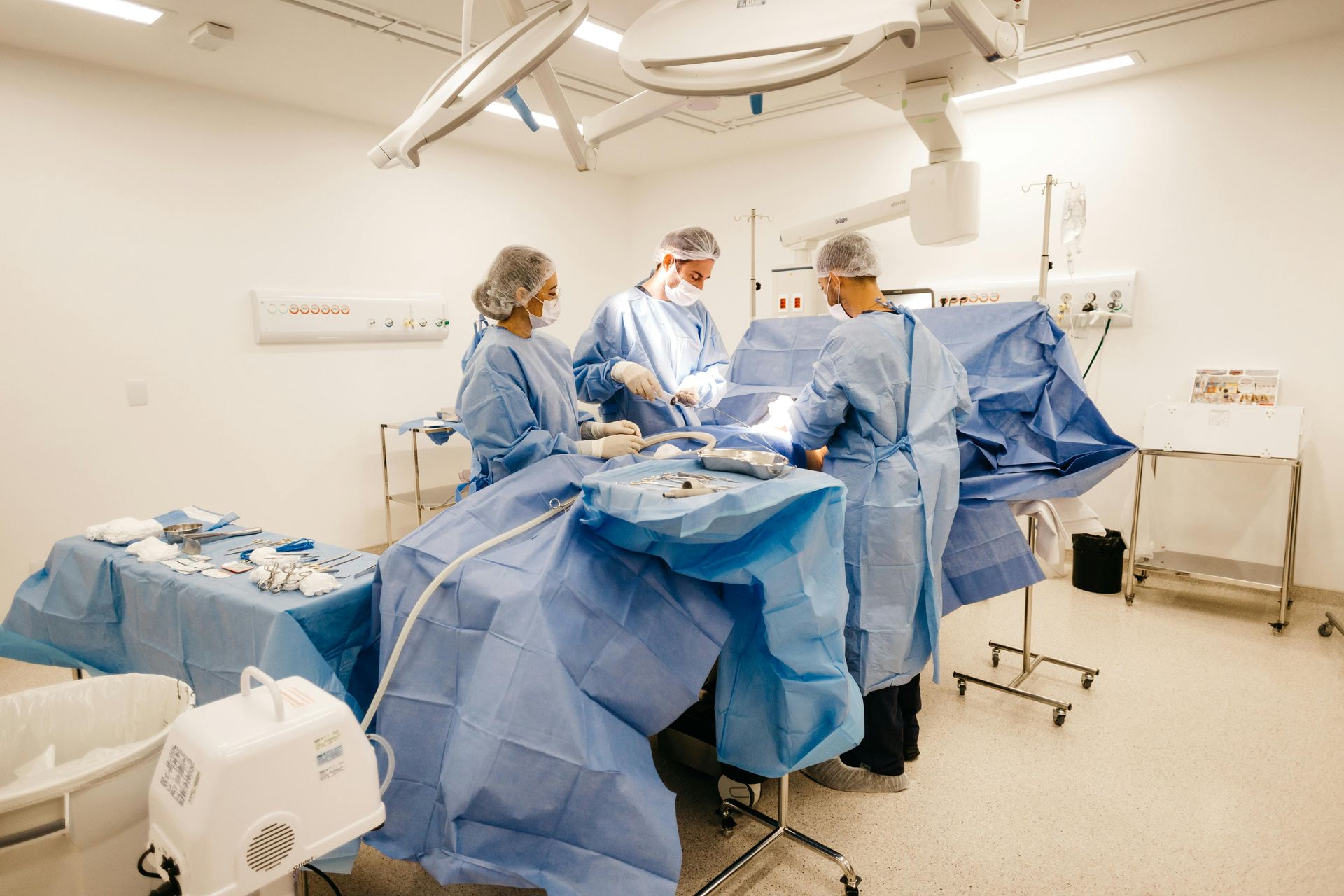
May-Thurner syndrome evaluation assesses compression of the left iliac vein, which can lead to swelling, pain, or clot formation. Using advanced imaging, cardiologists diagnose severity and recommend effective cardiovascular treatments to restore proper blood flow and reduce vascular complications.
